
A Celebration of Togetherness
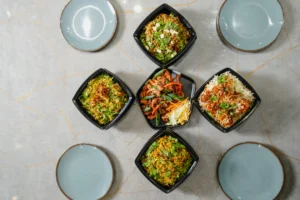
Indian festival food is never just about eating; it’s a joyful expression of culture, family, and shared celebration. It is about connection, sharing, and celebration. Every meal tells a story – one of family, culture, and community. Across regions and religions, festivals bring people together around the table, creating memories that last for generations. Whether it’s sweets shared during Diwali or feasts prepared for Eid, food becomes the thread that ties hearts together.
The Role of Indian Festival Food in Daily Life
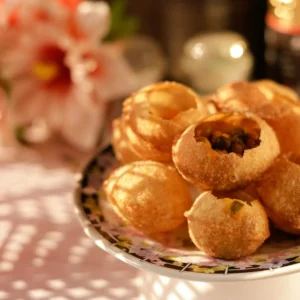 Food holds deep meaning in Indian culture. It reflects regional traditions, seasonal changes, and family values. In every home, recipes pass down from one generation to the next, keeping heritage alive. Moreover, cooking is often seen as an act of love and respect.
Food as an Expression of Culture
Every region of India offers its own unique flavours and ingredients. From the spicy curries of Kerala to the delicate sweets of Bengal, each dish represents local identity. Traditional meals often use fresh, seasonal produce and aromatic spices that nourish both body and soul.
The Spiritual Side of Food
In many Indian homes, food has a spiritual role. Before every meal, people express gratitude – to nature, to the cook, and to the divine. During festivals, this connection deepens. Offerings made to gods and ancestors reflect respect and devotion. Food thus becomes a sacred bridge between the material and the spiritual.
Family: The Heart of Every Meal
In Indian culture, family meals are moments of unity. Everyone gathers, regardless of how busy life gets. The kitchen becomes the centre of the home, and food becomes a language of love.
The Joy of Eating Together
Sitting together for a meal builds bonds. Conversations flow easily, and laughter fills the air. Elders share stories, and children learn about their roots. Moreover, sharing food teaches generosity and gratitude. Even simple meals feel special when shared with loved ones.
Passing Down Traditions
Cooking together keeps traditions alive. Families teach younger generations to prepare classic dishes – from biryani to roti. These recipes are not just instructions; they carry memories of family gatherings and festive moments. As a result, they help preserve culture in a rapidly changing world.
Festivals: Feasting with Indian Festival Food
Festivals in India are incomplete without food. Each celebration carries unique dishes, aromas, and rituals. Together, they showcase the country’s diversity and unity.
Diwali: Sweets and Symbolism
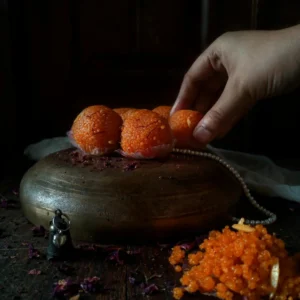
During Diwali, the Festival of Lights, sweets take centre stage. Families exchange homemade treats like laddoos and barfis as tokens of love and prosperity. Additionally, festive meals often include savoury snacks and rich curries, served with joy and laughter.
Holi: Colour, Music and Food
Holi, the Festival of Colours, brings people together in the spirit of fun and forgiveness. After playful celebrations, families enjoy gujiya, thandai, and spicy snacks. The festival reminds everyone that joy multiplies when shared.
Eid: Feasting After Fasting
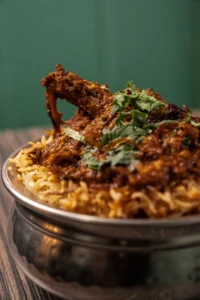
Eid marks the end of Ramadan, a month of fasting and reflection. Afterward, families prepare special dishes like biryani, kebabs, and sheer khurma. Together, these meals symbolise gratitude and generosity, often shared with neighbours and the poor.
Pongal and Onam: Harvest and Harmony
In South India, harvest festivals such as Pongal and Onam celebrate abundance. Homes fill with traditional dishes made from rice, lentils, and fresh vegetables. The shared meal, served on banana leaves, reflects unity and respect for nature.
The Evolving World of Indian Festival Food
 While tradition remains strong, Indian food culture continues to evolve. Global influences blend with old recipes, creating exciting new flavours. Yet, the essence stays the same – warmth, sharing, and connection.
Fusion Without Losing Identity
Modern chefs experiment with ingredients and presentation. Dishes like butter chicken tacos or masala pasta blend the familiar with the foreign. Still, the spirit of home cooking and hospitality remains unchanged.
Family Traditions in Modern Times
Even with fast-paced urban life, many families make time for shared meals. Technology may change habits, but festivals still bring everyone together. The kitchen, whether large or small, continues to be the heart of every home.
The Timeless Indian Way
Food, family, and festivals form the rhythm of Indian life. Moreover, they remind people to slow down, connect, and celebrate togetherness. Each bite, meanwhile, carries the warmth of home and the joy of community. Even as traditions evolve, the heart of Indian hospitality remains constant — feeding others with love.
In the Indian way, food does more than fill the stomach; it nourishes the soul and strengthens the bond of family. And that, perhaps, is the true recipe for happiness.