
Modern Indian Heritage and Fine Dining Today
Modern Indian heritage defines today’s fine dining, moving from grandeur to thoughtful cooking rooted in tradition and sustainability. For decades, it meant rich gravies, elaborate plating, and dishes decorated with silver or gold leaf. Yet, today, the meaning of “fine” in Indian food is shifting. Instead of excess, chefs are embracing intention, craft, and cultural honesty. Diners now expect depth of thought, not just glamour on the plate.
Modern Indian Heritage: From Gold Leaf to Native Millet
 For years, fine dining in India and abroad leaned on spectacle. Restaurants often showcased luxury through imported ingredients and gilded details. However, a new generation of chefs is moving away from this style. They prefer showcasing humble native grains such as millet, sorghum, and amaranth. These ingredients highlight heritage while offering nutritional value. Consequently, fine dining now celebrates roots instead of reaching only for foreign prestige.
Tradition with a Modern Lens
Chefs are not abandoning tradition. Instead, they are re-examining it with fresh eyes. For example, forgotten cooking methods are being revived. Slow wood-fire roasts, clay-pot stews, and traditional fermentation techniques now appear on tasting menus. However, these methods are reinterpreted in lighter, refined ways. This approach bridges nostalgia with modern dining expectations.
The Rise of Intention in Dining
Today, intention defines fine dining more than luxury. Diners want to understand the story behind each dish. Therefore, menus often explain sourcing, history, and regional context. This approach makes the dining experience more personal. It transforms food into a cultural dialogue rather than a display of wealth.
Local Ingredients, Global Outlook
Sourcing has become a defining marker of “fine.” More chefs now work with local farmers and small producers. They focus on seasonal produce and sustainable methods. This choice not only supports communities but also creates flavour-rich dishes. At the same time, techniques may come from global kitchens. The mix of local sourcing with international skill reflects a confident, outward-looking India.
Modern Indian Heritage: Wellness Meets Indulgence
Fine dining once meant heavy sauces and indulgent spreads. Today, it often blends indulgence with wellness. Consequently, dishes use less cream and more fresh herbs. Spices are balanced for health, not just intensity. Diners increasingly value how food makes them feel afterwards. The modern idea of “fine” therefore includes nourishment and balance, not only decadence.
Celebrating Plant-Based Traditions
Another important change is the rise of plant-based fine dining. India has deep vegetarian traditions rooted in culture and faith. Chefs now use those roots to create inventive plant-forward menus. They elevate humble ingredients like jackfruit, yam, and pumpkin into centrepiece dishes. This shift also aligns with global interest in plant-based eating.
Experience Over Excess
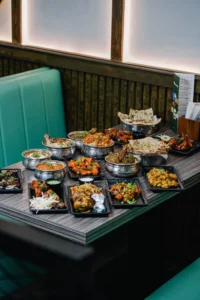 Fine dining is no longer only about the food on the plate. The entire experience matters. Restaurants now focus on design, storytelling, and atmosphere. Instead of ornate palaces, many fine-dining spaces are minimalist. Their aim is to let the food speak. Moreover, service often feels warmer and more conversational. This softer approach replaces formality with a sense of welcome.
Storytelling as a Course
Menus often unfold like narratives. Each course builds on the last, telling a story of place or memory. A dish might reference a grandmother’s recipe or a festival food. Another might reinterpret a street snack in refined form. These connections bring authenticity and emotion to the dining table. Diners leave not only full but also inspired.
Modern Indian Heritage: Challenges of Redefining Fine
Despite its evolution, redefining fine dining is not simple. Some diners still expect traditional markers of luxury. Balancing expectations with innovation takes courage. Moreover, sourcing native grains or local produce can be costly and inconsistent. Chefs therefore face constant challenges in delivering quality while staying true to their values.
Balancing Heritage and Innovation
The most successful restaurants find balance. They preserve cultural memory while embracing new ideas. They respect ingredients while playing with technique. This balancing act reflects the wider journey of Indian cuisine. It shows how India can remain rooted while engaging the world.
Modern Indian Heritage: A Future of Purposeful Dining
The shift from opulence to intention signals a deeper change in how we view food. Fine dining is no longer about excess. Instead, it highlights thought, sustainability, and identity. This movement values connection as much as taste. Chefs are storytellers, farmers are partners, and diners are participants in a larger cultural journey.
Redefining Fine for Tomorrow
As Indian dining evolves, the word “fine” itself may continue to change. It could soon mean mindful sourcing, respect for tradition, and a conscious experience. Gold leaf and spectacle may still exist. However, they no longer define the best meals. Instead, the future of fine dining in India seems set to rest on purpose, not pomp.