
Why Indian Spices Are the Future of Global Cuisine
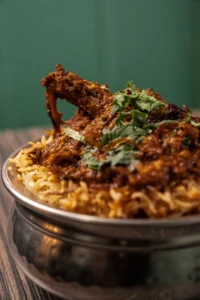
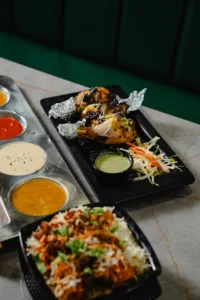
Indian spice trends are transforming global cuisine with bold flavours, natural ingredients, and creative culinary inspiration. From bustling street markets to Michelin-starred kitchens, these ingredients are no longer limited to Indian cooking. Today, chefs across the globe are reimagining traditional dishes by infusing them with the warmth, depth, and versatility of Indian spices. As global palates evolve, it becomes clear that these timeless seasonings are shaping the future of modern cuisine.
Indian Spice Trends and Their Global Rise
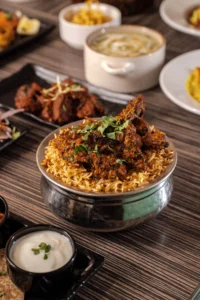 For centuries, Indian spices have travelled far beyond the subcontinent. However, in recent years, their popularity has surged to new heights. Food enthusiasts now seek authenticity, bold flavour, and a story behind every dish. Indian spices deliver all three.
Moreover, they fit perfectly into a culinary world that values health, sustainability, and creativity. Ingredients such as turmeric, cumin, and cardamom are not only delicious but also known for their powerful health benefits. Consequently, chefs and home cooks alike are embracing them as staples rather than exotic additions.
Honouring Tradition While Embracing Innovation
Indian cuisine has always celebrated innovation within tradition. Each region of India has its own spice blends, recipes, and methods passed down through generations. Yet, these spices adapt beautifully to modern cooking techniques and global flavours.
For instance, turmeric lattes – once a home remedy known as haldi doodh – are now featured in cafés worldwide. Similarly, garam masala, once reserved for curries, now enhances everything from roasted vegetables to chocolate desserts. By honouring their roots while adapting to contemporary tastes, Indian spices continue to bridge cultures and redefine fusion cuisine.
Health and Wellness Through Indian Spice Trends
In today’s health-conscious world, Indian spices align perfectly with global wellness trends. Turmeric contains curcumin, known for its anti-inflammatory properties. Cumin aids digestion. Cinnamon helps regulate blood sugar levels. These natural benefits make Indian spices more than flavouring agents – they’re functional ingredients that promote wellbeing.
Furthermore, consumers are moving away from artificial additives and processed flavourings. Instead, they seek clean, natural alternatives that still excite the palate. Indian spices offer exactly that – a way to eat healthily without sacrificing taste.
Sustainability and Local Sourcing
Another reason Indian spices are shaping the future of food lies in their connection to sustainability. Many of these spices are grown through traditional, small-scale farming practices that prioritise biodiversity and soil health. As more chefs and restaurants commit to ethical sourcing, the demand for responsibly produced Indian spices continues to grow.
In addition, countries like the UK now import premium, single-origin spices directly from farms. This supports local growers while ensuring freshness and traceability. The farm-to-table movement, once focused mainly on produce, now embraces spices as part of the same conversation about transparency and quality.
The Modern Chef’s Favourite Palette: Indian Spice Trends in Action
Contemporary chefs view Indian spices as a palette for creativity. They allow endless experimentation – whether blending with Mediterranean herbs, East Asian condiments, or Latin American chillies.
For example, black cardamom adds smoky depth to barbecue marinades, while coriander seeds brighten up salads and seafood. Even Michelin-starred chefs such as Rohit Ghai and Atul Kochhar have inspired a generation of culinary innovators to see Indian spices as global tools for expression.
As food culture becomes increasingly interconnected, these spices help chefs tell new stories through flavour – stories that transcend geography and tradition.
Everyday Cooking Made Extraordinary
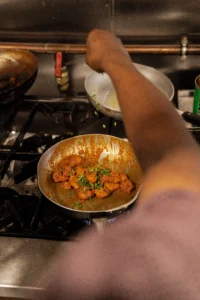 Indian spices are not limited to restaurant kitchens. Home cooks worldwide are using them to make everyday meals exciting. A sprinkle of cumin in soups, a touch of garam masala in stews, or a dash of turmeric in smoothies can transform simple dishes into aromatic experiences.
Additionally, the accessibility of pre-blended spice mixes and online tutorials makes it easier than ever to experiment. Cooking with Indian spices no longer feels intimidating; instead, it feels adventurous and creative.
A Cultural Bridge Strengthened by Indian Spice Trends
Food has always been a way to connect people, and Indian spices do this beautifully. They represent history, trade, migration, and shared passion. Whether in a London café or a New York fine-dining restaurant, their presence reflects how cultures blend and evolve through taste.
Every dish seasoned with Indian spices tells a story – not just of flavour, but of connection. In an increasingly globalised world, that connection is more meaningful than ever.
Conclusion: A Flavourful Future
Indian spices are more than ingredients; they are symbols of balance, heritage, and innovation. They enrich global cuisine with boldness and heart while supporting a shift toward health, sustainability, and creativity. As the world’s culinary borders continue to blur, these timeless flavours will keep inspiring chefs and home cooks to experiment, adapt, and celebrate diversity through food.
The future of global cuisine is bright – and undeniably spiced with a touch of India.