


Regional Biryani Styles: North vs South
Regional biryani styles represent more than food – they embody emotion, pride, and India’s deep-rooted culinary diversity. Across the country, every region defends its version with unmatched passion. While North India adds richness and spice, the South brings in layers of fragrance and technique. This ongoing “biryani battle” celebrates diversity on a single plate.
Regional Biryani Styles: A Tale of Two Traditions
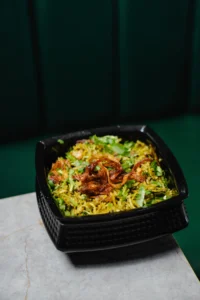 India’s biryani story began centuries ago when Mughal influences met local flavours. Over time, it evolved differently across the subcontinent. Northern biryanis, especially from Lucknow and Delhi, lean towards subtle flavours and aromatic rice. In contrast, Southern versions like Hyderabadi or Thalassery biryani pack bold spices and unique regional touches.
Both styles use basmati rice, tender meat, and whole spices, yet their preparation methods set them apart. The North prefers the dum (slow-cooking) technique, allowing the rice to absorb every flavour. Meanwhile, the South often uses spicier masalas and distinctive ingredients like coconut, curry leaves, and short-grain rice.
The Northern Approach: Fragrant and Refined
Northern biryani reflects elegance and restraint. The Lucknowi or Awadhi biryani is the perfect example. Chefs cook the rice and meat separately before layering them together. This method gives a lighter, more delicate aroma.
Saffron, rose water, and kewra (pandan essence) add floral notes that make Northern biryanis fragrant rather than fiery. Delhi’s version, however, turns slightly bolder, adding more spice and oil. Yet, even here, balance is the goal. The North values harmony – every bite offers measured richness without overpowering the palate.
The Southern Approach: Bold and Layered
In the South, biryani takes a completely different route. The Hyderabadi biryani, for instance, is cooked with raw marinated meat and half-cooked rice layered together. As the pot seals and steams, flavours blend beautifully, creating tender meat and spiced grains.
Further down the coast, Thalassery biryani from Kerala uses jeerakasala rice instead of basmati. This short-grain variety soaks up masala, giving every mouthful an intense flavour. Tamil Nadu’s Dindigul biryani, meanwhile, is tangy and aromatic, often made with curd and lemon juice.
Each region adds its identity – from the fiery Andhra biryani to the mild yet rich Malabar version. Southern biryanis aren’t shy about spice; they embrace it fully, creating layers of heat, aroma, and satisfaction.
Regional Biryani Styles: Ingredients That Make the Difference
Every biryani begins with rice and meat, but regional choices change the outcome entirely. Northern biryanis prefer long-grain basmati, known for its fragrance and fluffiness. The South, however, often opts for shorter grains that hold spice better.
In the North, meat is marinated lightly with yoghurt, saffron, and warm spices like cardamom and cinnamon. The result feels royal and refined. In the South, chefs use fiery chilli, mint, coriander, and coconut. Each bite bursts with vibrant flavour and intensity.
Even the oil or ghee differs. Northern biryanis often use clarified butter for richness, while Southern kitchens lean on sesame oil or coconut oil for depth and aroma.
Accompaniments That Complete the Experience
No biryani stands alone. In the North, raita – a cool yoghurt side with cucumber or mint – balances the spices perfectly. Pickles and salads often join the meal too.
In the South, biryani usually comes with mirchi ka salan (a tangy chilli curry) and raita. These sides don’t just complement the dish; they enhance its contrast. The creamy yoghurt cuts through the heat, while the tangy curry adds another flavour dimension.
Regional Biryani Styles: Festive Feasts and Family Traditions
Across India, biryani appears on every grand occasion – from weddings to festivals. In the North, it symbolises elegance and heritage. Families often prepare it during Eid or large gatherings, passing down recipes through generations.
In the South, biryani feels like a celebration of unity. Whether it’s a Sunday meal or a festive spread, it brings people together. Each household tweaks the recipe slightly, ensuring no two biryanis ever taste the same.
Modern Takes on a Timeless Dish
 Today, biryani continues to evolve. Chefs across India – and even abroad – experiment with fusion ideas. Some use seafood or vegetables, while others reinvent it with quinoa or brown rice. Despite modern twists, the core remains unchanged: layers of flavour, aroma, and comfort.
Even restaurants and cloud kitchens now specialise in regional biryanis, allowing people to taste India’s diversity in a single menu. As tastes expand, these variations remind us of how one dish can unite countless traditions.
Regional Biryani Styles: The Verdict – No True Winner
In the great biryani debate, there’s no real winner – only loyal fans. Northern biryanis charm with grace and aroma. Southern ones excite with bold spice and texture. Both represent India’s love for good food and cultural pride.
So, whether you enjoy Lucknow’s light layers or Hyderabad’s fiery depth, one truth remains: biryani is not just a meal. It’s a story simmered in spice, shared across tables, and argued over with joy.
Final Thoughts
The North–South biryani battle might never end, but that’s what makes it special. Each spoonful carries history, heritage, and heart. Instead of choosing sides, why not enjoy both? After all, in India, there’s always room for another plate of biryani.