
South Indian Coconut Role in Cooking: Beyond Curry
South Indian Coconut. This versatile fruit plays a central role in the vibrant, essential culinary landscape of the region. Although many people associate it primarily with creamy curries, the coconut’s contribution extends far beyond that simple dish. South Indian kitchens use every part of the coconut, from the sweet water to the rich milk and the fibrous husk. Consequently, it influences a vast array of flavours, textures, and preparations. Let’s explore how this tropical staple truly defines the region’s cooking.
South Indian Coconut: The All-Rounder in the Kitchen
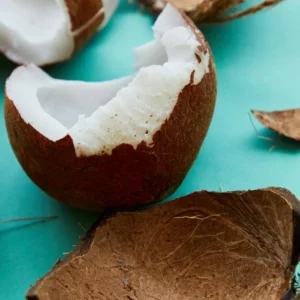 The coconut tree is often called ‘kalpavriksha’, the “tree of life“, in this part of the world. Therefore, its significance is not just culinary; it is cultural and economic. The coconut’s versatility allows it to feature in every course of a meal. From refreshing beverages to savoury main dishes and sweet desserts, it truly is an all-rounder. Furthermore, its different forms ensure a variety of uses.
The Fresh and the Dried
Freshly grated coconut adds moisture and sweetness to vegetable sides, known as poriyals or thorans. Moreover, it provides a delightful texture contrast. Coconut milk, extracted from the grated flesh, is the base for many non-vegetarian and vegetarian stews. It lends a delicate, slightly sweet body to the liquid. Then, there is coconut oil, the primary cooking medium in states like Kerala. It imparts a distinctive, nutty flavour to nearly all local dishes.
In contrast, dried coconut or copra is essential for thickening spice pastes. Cooks roast the dried flesh before grinding it with other spices. This technique adds richness and a deep, nutty complexity to gravies.
Textures and Tempering
South Indian cuisine is famous for its balance of textures and the technique of tempering. Coconut is crucial to both these elements.
Adding the Crunch
Flaked or slivered coconut is often fried until golden brown. Subsequently, it is sprinkled on dishes just before serving. This simple addition introduces a satisfying crunch and a toasted flavour. Think of the famous Kerala dessert, payasam. It relies on these toasted coconut pieces for textural contrast.
The Art of Tadka or Tempering
The tempering (tadka or chaunk) is a brief frying of spices in hot oil. This process releases the full aroma of the ingredients. In South India, this tempering often begins with coconut oil. Consequently, mustard seeds, curry leaves, and often a few spoonfuls of grated coconut are fried together. This aromatic mixture is poured over dal, yoghurts, or vegetable dishes. Indeed, this final step elevates a simple dish to something spectacular. It provides both a fragrant finish and a fresh, nutty lift.
South Indian Coconut: Beyond Main Meals
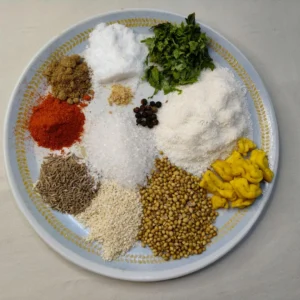 The coconut’s utility extends to condiments and snacks, showcasing its impressive adaptability.
Condiments and Chutneys
No South Indian meal is complete without a variety of chutneys. The ubiquitous coconut chutney is perhaps the most famous. It is made by grinding fresh coconut with green chillies, ginger, and sometimes roasted chana dal. This creamy, often spicy, dip is the perfect accompaniment to idli, dosa, and vada. Furthermore, it beautifully complements the fermented flavour of the rice and lentil preparations.
Snacking on Coconut
Even simple snacks rely on the coconut. People eat the inner, soft meat of a young coconut raw as a refreshing treat. Moreover, cooks often incorporate pieces of the dried fruit into savoury mixes or sweet coconut barfis. They provide natural sweetness and a hearty element. Coconut water, a natural electrolyte, is a refreshing drink enjoyed across the region. Consequently, it is an essential part of daily life, not just cooking.
Conclusion
The coconut is far more than just a background flavour in South Indian food. It is, in fact, the backbone of the cuisine. From the nutty warmth of the oil to the creamy texture of the milk and the fresh crunch of the grated flesh, its influence is everywhere. Therefore, the next time you enjoy a South Indian dish, remember the humble coconut. It defines the region’s culinary identity, truly making it a staple of incredible magnitude.