


Indian Herb Guide: Cilantro vs. Mint
The Indian herb guide explains why Indian cuisine is famous for its vibrant flavours, using cilantro and mint. Herbs play a crucial role in creating these complex tastes. Among the most popular are cilantro (coriander leaves) and mint (pudina). Both herbs add freshness. They also bring distinct aromatic qualities to a dish. Knowing when to use each is key. It ensures the final flavour profile is perfectly balanced. This guide explores the unique qualities of cilantro and mint. We will help you master their use in authentic Indian cooking.
The Distinctive Characteristics of Each Herb: Indian herb guide
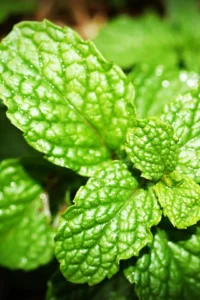 Understanding the individual flavour and aroma of each herb is important. This knowledge allows you to make informed decisions. It dictates which herb best suits a specific recipe.
Cilantro: The Zesty and Bright Finisher
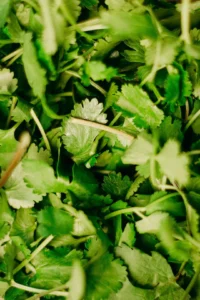
Cilantro is perhaps the most ubiquitous herb in Indian kitchens. Its flavour is often described as bright and citrusy. It also has a slightly sharp, fresh taste. The aroma is clean and invigorating. It works well in a vast array of dishes. It is common to use cilantro as a final garnish. This technique adds a necessary pop of colour and freshness.
- Flavour Profile: Fresh, zesty, and slightly citrusy.
- Best Used For: Garnish, finishing oil-based curries, and in basic spice blends.
Mint: The Cooling and Assertive Refresher
Mint, or pudina, offers a completely different experience. Its flavour is strong and cooling. It is more assertive than cilantro. This powerful menthol note cuts through rich or heavy flavours. It is fantastic in raitas and cooling beverages. Furthermore, the fragrance of mint is instantly recognisable. It suggests freshness and coolness. It is generally used sparingly because of its robust flavour.
- Flavour Profile: Strong, cool, and highly refreshing.
- Best Used For: Cooling dishes, chutneys, and balancing heat.
When Cilantro Takes Centre Stage
We frequently use cilantro as a primary flavour component. It also serves as a vibrant finishing touch. Its subtle flavour complements many ingredients. It never truly overpowers them. Consequently, it is ideal for mild or everyday dishes.
In Curries and Dals
Most Indian curries (e.g., aloo gobi) and dals require a fresh garnish. You should use a generous amount of finely chopped cilantro here. It provides a pleasant, zesty lift. It also adds a beautiful green visual contrast. Simply stir it in right at the end of cooking. Alternatively, sprinkle it over the serving dish. This maximises its fresh flavour and aroma. Moreover, it is a non-negotiable ingredient in many base spice mixes.
With Dry Vegetable Dishes (Sabzis)
Cilantro shines in drier, sautéed vegetable preparations. Examples include bhindi masala or sabzis. Its brightness cuts through the oiliness of the frying process. Therefore, it lifts the overall taste profile. You may also use the tender stalks. They have a slightly more intense, earthy flavour.
When Mint is the Right Choice: An Indian herb guide tip
 Mint is your go-to herb for specific tasks. It excels at adding a refreshing element. It also works when you need to temper rich spices or heat. Use it wisely, however. A little mint goes a very long way in a recipe.
In Chutneys and Raitas
Mint is a crucial ingredient in green chutneys. Indeed, the pudina chutney is a classic example. Therefore, it pairs beautifully with street food and appetisers. Moreover, mint is essential in raitas. Specifically, raitas are Indian cooling yoghurt side dishes. Subsequently, the mint provides a necessary refreshing counterpoint. Crucially, it balances the spice in the main courses. Hence, this is a perfect use for its intense, cooling nature.
With Rice Dishes (Biryanis and Pulaos)
Many aromatic rice dishes benefit from a mix of herbs. Specifically, mint is often layered into biryanis. Consequently, it provides a distinct, deep fragrance. Furthermore, this combines effectively with the earthy spices. Therefore, use it alongside cilantro for complex aromatic depth. Ultimately, it contrasts beautifully with the richness of the meat or vegetables.
Can You Use Both Herbs Together?
Absolutely, you can combine the two. In fact, many authentic recipes demand both. The combination creates a highly complex flavour base. The freshness of cilantro and the coolness of mint work in harmony. You will often see this pairing. It is especially true in marinades for tandoori dishes. Furthermore, you can use them together in vibrant chutneys. Balance is always the key. Use slightly more cilantro than mint. This ensures the mint does not dominate the entire dish.
A Quick Use Reference
Knowing the herb’s purpose simplifies your cooking. Ask yourself what the dish needs. Does it need brightness or coolness?
| Dish Type | Primary Herb to Use | Secondary Herb (Optional) |
| Simple Curries/Dals | Cilantro (Garnish) | None |
| Cooling Raita | Mint | Cilantro (Minimal) |
| Biryanis/Pulaos | Both (Mint for flavour, Cilantro for garnish) | – |
| Chutneys | Mint or Both | – |
| Tandoori Marinades | Both | – |
Ultimately, both cilantro and mint are invaluable in Indian cooking. They each serve a particular function. Cilantro offers a zesty, bright finish. Mint provides a strong, cooling aroma. Understanding these differences enhances your culinary results. Your dishes will taste more authentic and balanced. Therefore, you should always choose your herb carefully.