
Indian Family Meal: Why Sharing is Core
The Indian family meal makes the simple act of eating together a truly cherished global ritual and experience. However, in India, a meal is far more than just consuming sustenance. Indeed, the Indian dinner table serves as a vibrant microcosm of community and connection. From the moment the food is laid out, the emphasis immediately shifts from individual plates to a communal experience. Consequently, sharing isn’t merely a polite gesture; it’s the very heartbeat of every single meal. Therefore, understanding Indian food means understanding the deep-rooted culture of sharing.
A Feast for Everyone: The Indian Family Meal
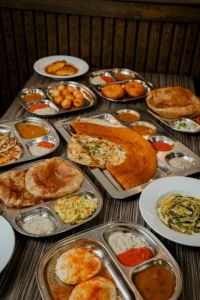
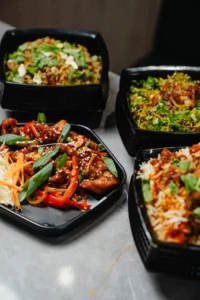 Indian cooking typically involves preparing a variety of dishes. Furthermore, these dishes often boast diverse textures and flavours. Thus, a single meal usually features several curries, a lentil dish (dal), rice, and an assortment of breads. Consequently, this varied spread inherently discourages individual portions. Instead, the expectation is that everyone will sample a little bit of everything. Furthermore, this variety ensures that every palate finds something to enjoy. Indeed, a typical Indian meal is designed to be a collective adventure in taste.
The Unspoken Rules of Passing and Offering
Unspoken rules govern the act of sharing. Firstly, no one ever serves themselves first. The host or the elders typically initiate the serving. Next, people continuously pass dishes around the table. Moreover, someone always offers the bread or the rice to the person sitting next to them. Significantly, this continuous flow ensures no one has to ask for more. Therefore, the physical movement of the food symbolises the social flow of the family. Crucially, it reinforces the idea that resources are available to all equally. This subtle etiquette highlights the communal responsibility at the table.
Beyond Food: Sharing and the Indian Family Meal
The physical sharing of food is just one layer. Equally important, the dinner table is where families share their lives. Consequently, this space becomes the central hub for daily communication. People discuss their workday, children recount their school adventures, and elders share wisdom. Additionally, laughter and serious talks both find their place here. Moreover, sharing food helps to strengthen family bonds. Thus, the shared meal becomes a powerful, daily reminder of mutual support. Clearly, the food acts as a catalyst for connection and conversation. It transforms eating into an act of collective storytelling.
The Beauty of Unfinished Plates and Generosity
 Generosity is another key element tied to sharing. Hosts and family members consistently encourage guests to eat more. Indeed, an Indian host takes genuine pride in ensuring their guests are fully satisfied. Therefore, they view a completely empty serving dish as a sign of success. Conversely, a host will often insist a guest eats until their own plate is almost overflowing. This cultural practice demonstrates the abundance of the home. Furthermore, it highlights the host’s desire to nurture their guests. In essence, the entire dining experience is an act of selfless giving and receiving.
From Guests to Family: An Instant Connection
The communal nature of the Indian meal instantly welcomes guests. Thus, a newcomer quickly feels like a part of the family. Specifically, they are encouraged to partake in the same way as everyone else. Consequently, sharing food breaks down social barriers. This simple invitation creates an instant sense of belonging. Therefore, the Indian dinner table is truly an inclusive space. It turns strangers into friends and friends into family with every shared bowl. The heart of the Indian meal is undeniably about human connection.
The Indian dinner table is far more than just a place to eat. Ultimately, it is a sacred space for sharing. This principle applies to the food, the stories, and the love itself. Hence, every meal beautifully reinforces the power of community. It teaches a valuable lesson in generosity and inclusion. The simple act of passing a bowl speaks volumes about Indian culture. Clearly, sharing remains the defining characteristic of this wonderful culinary tradition.