
Indian Sweet Recipes: A Rich World
Indian sweet recipes form an essential part of food culture, offering tradition, flavour, and joy across celebrations and daily life. They connect people, mark celebrations, and create memories that last. Across regions, sweet dishes carry unique traditions, yet they all highlight the same love for flavour and joy. From festive laddoos to cooling kulfis, each recipe tells a story rooted in heritage and shared happiness.
A Journey Through Tradition
Indian sweets, often called mithai, hold centuries of history. Ancient texts describe offerings of honey, ghee, and jaggery to gods. Over time, traders introduced sugar, nuts, and spices that shaped new recipes. Today, sweets remain vital for weddings, festivals, and religious rituals. They symbolise prosperity, goodwill, and the sweetness of life.
Regional Flavours in Indian Sweet Recipes
North India’s Creamy Treats
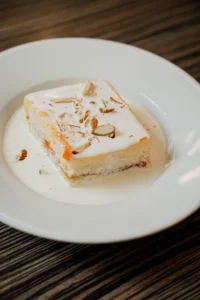 North India loves rich and indulgent sweets. Gulab jamun, deep-fried milk solids soaked in rose syrup, always impress. Likewise, rasmalai offers soft cheese patties floating in creamy saffron milk. During Diwali, boxes of barfi and ladoo fill homes and travel across communities as gifts.
South India’s Delicate Favourites
South India embraces lighter, often coconut-based desserts. Payasam, a milk-based pudding with jaggery and cardamom, is a festival staple. Similarly, Mysore pak, with its rich ghee flavour, delights sweet lovers everywhere. In Kerala, banana halwa remains a must-have at weddings and religious functions.
East India’s Love for Dairy
Eastern India shines with its dairy innovations. Bengal’s rasgulla, soft cheese balls in syrup, has earned global fame. Sandesh, another Bengali treasure, blends fresh chenna with sugar into delicate bites. During Durga Puja, sweet shops overflow with these treats, making celebrations truly memorable.
West India’s Bold Offerings
Furthermore, western states boast vibrant and bold sweets that showcase regional creativity. For instance, Maharashtra’s puran poli combines jaggery with lentils inside a soft, golden flatbread. Meanwhile, Rajasthan’s ghevar, a disc-shaped sweet soaked in syrup, brightens festivals like Teej. Finally, Gujarat celebrates shrikhand, a yoghurt-based dessert delicately flavoured with saffron and cardamom.
Ingredients Defining Indian Sweet Recipes
The Role of Dairy
Milk, ghee, and curd form the backbone of many recipes. They bring richness and balance textures. From paneer in rasgulla to condensed milk in barfi, dairy ensures indulgence.
The Magic of Spices
Spices turn simple sweets into unforgettable bites. Cardamom adds warmth, while saffron lends colour and fragrance. Cloves, nutmeg, and cinnamon appear less often but leave lasting impressions.
Sweeteners Old and New
Traditionally, jaggery held centre stage. Its earthy flavour pairs beautifully with nuts and grains. Later, refined sugar became common. Yet, today, many recipes return to jaggery for both taste and tradition.
Nuts and Dry Fruits
Moreover, cashews, pistachios, and almonds add crunch and luxury to every bite. Meanwhile, raisins, dates, and figs bring natural sweetness and balance flavours beautifully. Together, these ingredients create desserts with depth, texture, and irresistible elegance.
Indian Sweet Recipes Beyond Festivals
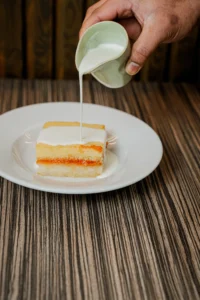 While festivals showcase sweets, everyday life also features them. Families end meals with kheer, a simple rice pudding. Street vendors sell jalebi, spirals of fried batter soaked in syrup. Even modern cafés now serve fusion treats like chocolate samosa or mango shrikhand cheesecake.
Indian Desserts Around the World
Global audiences have warmly welcomed Indian sweets. Restaurants in London, New York, and Dubai serve gulab jamun ice cream or rasmalai cakes. Food festivals highlight mithai as both traditional and innovative. Online platforms make laddoos, barfis, and halwas accessible across borders. Thus, Indian desserts now symbolise cultural pride and worldwide appeal.
Fusion and Innovation
Chefs constantly reinvent classics. They pair traditional sweets with global flavours, creating desserts for new generations. For instance, a rose and pistachio cheesecake borrows ideas from gulab jamun. Likewise, chocolate-filled modaks add fun to Ganesh Chaturthi. Innovation keeps the culture fresh while respecting heritage.
Health-Conscious Twists in Indian Sweet Recipes
Modern diners often seek lighter versions. Consequently, chefs experiment with low-sugar recipes or replace refined sugar with jaggery or honey. Almond milk replaces dairy in vegan-friendly sweets. Even baked options replace frying for those who want indulgence without guilt.
Why Indian DIndian Sweet Recipes: A Rich Worldesserts Matter
Sweets do more than please the palate. They strengthen social ties, mark milestones, and carry forward traditions. Sharing mithai expresses love, respect, and community spirit. Whether simple kheer at home or elaborate desserts at weddings, each sweet holds meaning.
Final Thoughts
The world of Indian desserts is rich, diverse, and constantly evolving. With deep roots in culture and endless potential for creativity, they remain timeless. Every bite tells a story of celebration, togetherness, and joy. So, whether enjoyed in India or abroad, these sweets always connect hearts through their irresistible flavours.