
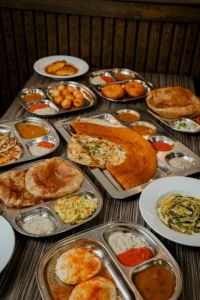
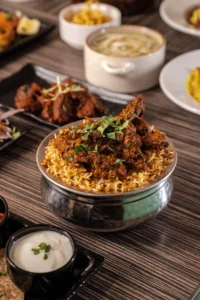
Dum Dining Experience: Rediscovering Slow Fire
Dum dining experience has always celebrated patience, flavour, and tradition, offering layers of taste through slow fire cooking. This centuries-old technique locks in taste and aroma. Unlike fast cooking, dum uses slow fire and sealed pots to let ingredients merge naturally. As a result, every bite feels rich, fragrant, and deeply satisfying. Today, chefs and diners alike are rediscovering its charm.
History of Dum Dining Experience
The Roots of Dum
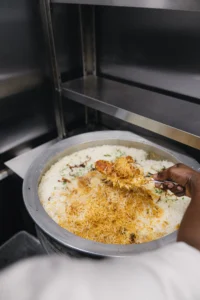 This technique dates back to the Mughal kitchens of India. Cooks sealed pots with dough and placed them on gentle flames. Therefore, steam created magic inside, tenderising meat, blending spices, and keeping moisture intact. The method soon spread across regions, shaping dishes like biryani, nihari, and kebabs.
Why It Endures
Even with modern kitchens, dum remains relevant. Because it relies on simple tools and controlled fire, it feels authentic and timeless. Moreover, it highlights how patience enhances food. In a fast-paced world, dum cooking stands as a reminder that good things take time.
Flavours Beyond Compare
The Science of Slow Cooking
Dum cooking allows flavours to build slowly. As steam circulates, it softens ingredients and intensifies spices. Hence, the result is depth of taste that quick cooking cannot replicate. Each dish emerges with layered aromas, making the experience both sensory and emotional.
Ingredients That Shine
Chefs often choose the finest ingredients for dum cooking. Since heat is low, ingredients do not lose their essence. For example, basmati rice retains its long grains. Likewise, saffron releases gentle notes without burning. Together, these elements create harmony on the plate.
Dum Dining Experience in Modern Dining
Tradition Meets Innovation
Modern chefs bring new twists to dum cooking. For instance, some add seasonal vegetables or use global spice blends. Others seal pots with creative covers, such as sourdough bread, to add texture. In this way, tradition meets innovation while retaining respect for heritage.
Fine Dining Redefined
Restaurants worldwide now place dum dishes at the centre of tasting menus. Because of its theatre and aroma, dum adds drama to dining. Diners enjoy the unveiling of sealed pots at the table. Consequently, the meal becomes not just about taste but also about experience.
The Joy of Patience
A Ritual for Home Cooks
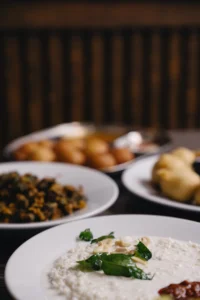 Home kitchens can embrace dum with simple steps. Choose a heavy pot, seal it tightly, and use low heat. Add your spices slowly, allow rice or meat to rest, and resist lifting the lid. Eventually, patience rewards you with rich flavour and tender texture.
More Than Just Food
Dum cooking encourages a slower pace of life. While pots simmer, families gather and stories flow. Because the process demands time, it fosters mindfulness. Thus, cooking becomes more than feeding – it becomes a way of connecting.
Global Influence of Dum Dining Experience
Spreading Beyond Borders
Although rooted in India, dum has crossed continents. Middle Eastern cuisines use similar techniques for lamb and rice. Likewise, European chefs now experiment with slow sealing to retain flavour. As food culture becomes global, dum finds a universal stage.
Dum as Culinary Heritage
Preserving dum is more than nostalgia; it safeguards cultural wisdom. When chefs continue this practice, they protect history. Furthermore, they inspire the next generation to value patience and depth in cooking.
Conclusion: Slow Fire’s Future
Dum cooking proves that patience creates greatness. Through gentle heat and sealed pots, simple ingredients transform into extraordinary dishes. Moreover, the practice links past with present, tradition with innovation. As fine dining evolves, dum remains timeless. After all, true flavour deserves time, care, and slow fire.